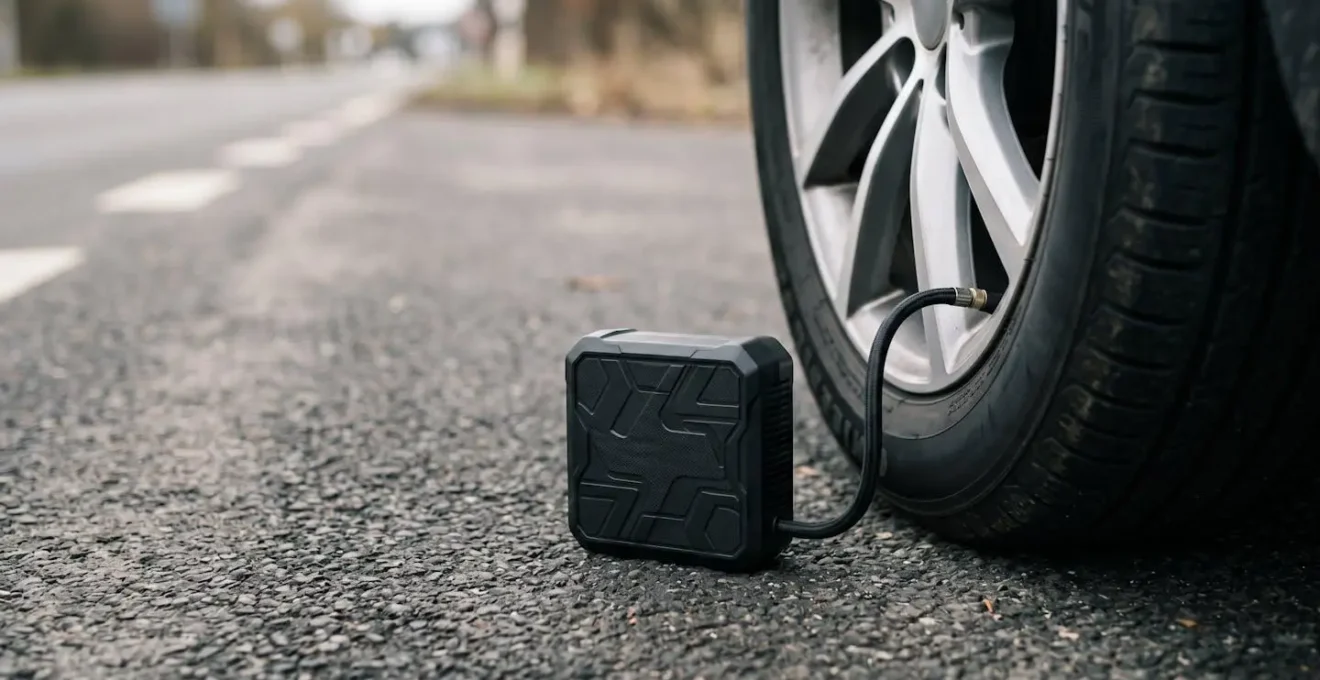
Contrary to what the packaging promises, a high PSI rating is the most misleading metric for a tyre inflator; its real-world speed is determined by airflow volume (CFM).
- A low CFM rating is the primary reason cheap, high-PSI units are agonisingly slow to actually inflate a tyre.
- The inflator’s power source (a weak 12V socket vs. a stable battery) and the physical technique used can drastically affect performance and even damage your vehicle’s valve stems.
Recommendation: For reliable emergency use, ignore the max PSI and instead prioritise a portable inflator with a specified airflow of at least 2 CFM and a stable, well-maintained power delivery method.
There’s a universally understood frustration among UK drivers: standing on the side of a cold, wet road, watching a small plastic box vibrate furiously while your tyre pressure barely climbs. You bought the inflator because it promised an impressive 120 or 150 PSI, more than enough for your car’s needs. Yet, fifteen minutes later, you’ve barely added the 5 PSI needed to limp to a garage. This experience isn’t a fluke; it’s a direct result of a fundamental misunderstanding, actively encouraged by misleading marketing.
The common wisdom focuses on connecting the chuck correctly or ensuring the car is running. While not wrong, these are secondary concerns. The real problem lies in the specifications we’re told to value. We obsess over pressure (PSI), when the true measure of an inflator’s performance—its speed and effectiveness—is determined by a metric most cheap models conveniently omit: airflow volume, measured in Cubic Feet per Minute (CFM).
This guide moves beyond the platitudes. It’s for the driver who has already experienced the failure of a cheap inflator and wants to understand the engineering reality behind why it failed. We will dissect the critical relationship between pressure and volume, analyse the real-world trade-offs between different power sources, and reveal the common inflation techniques that cause hidden damage. Ultimately, you will learn not just how to choose a tool that works, but how to build a complete, cost-effective roadside recovery system that prevents expensive call-outs.
This article provides a detailed breakdown of the technical specifications and practical habits that separate a frustrating roadside delay from a quick, efficient fix. The following sections will guide you through everything you need to know.
Contents: Why Your Inflator is Failing You and How to Fix It
- Why Does a 120 PSI Rating Mean Nothing Without Knowing the CFM Flow Rate?
- 12V Cigarette Lighter or Rechargeable Battery: Which Inflator Works When Your Car Won’t Start?
- The Inflation Technique That Damages 1 in 20 Valve Stems During Roadside Top-Ups
- Why Your Inflator Reaches Pressure but the Tyre Goes Flat Again in 2 Hours?
- When to Test Your Boot Inflator: The Monthly Check That Ensures It Works in Emergencies?
- When to Check Tyre Pressure: The Sunday Morning Habit That Saves £300 Yearly?
- How to Build a £300 Recovery Kit That Prevents £500 Call-Out Fees?
- Why Does 5 PSI Under-Inflation Cost You £200 in Extra Fuel Annually?
Why Does a 120 PSI Rating Mean Nothing Without Knowing the CFM Flow Rate?
The single greatest deception in the portable inflator market is the focus on PSI (Pounds per Square Inch). PSI measures pressure, which is the force the air exerts. While a tyre needs to reach a certain pressure (typically 30-40 PSI), the inflator’s ability to generate 120 PSI is almost irrelevant. It’s like owning a sports car that can reach 200 mph but has a tiny fuel tank; the peak capability is useless for the everyday task. The crucial, often-hidden specification is CFM (Cubic Feet per Minute), which measures airflow volume. This is what determines how *quickly* the inflator can fill your tyre.
To understand the difference, imagine two water hoses. One is a pressure washer nozzle: it sprays a tiny amount of water at extremely high pressure (high PSI, low CFM). You could use it to cut through grime, but you’d never use it to fill a bucket. The other is a firefighter’s hose: it moves a huge volume of water at a lower pressure (high CFM, lower PSI). This is what fills the bucket quickly. A cheap inflator is the pressure washer; a quality inflator is the firefighter’s hose. You are not trying to cut steel with air; you are trying to fill a large volume.
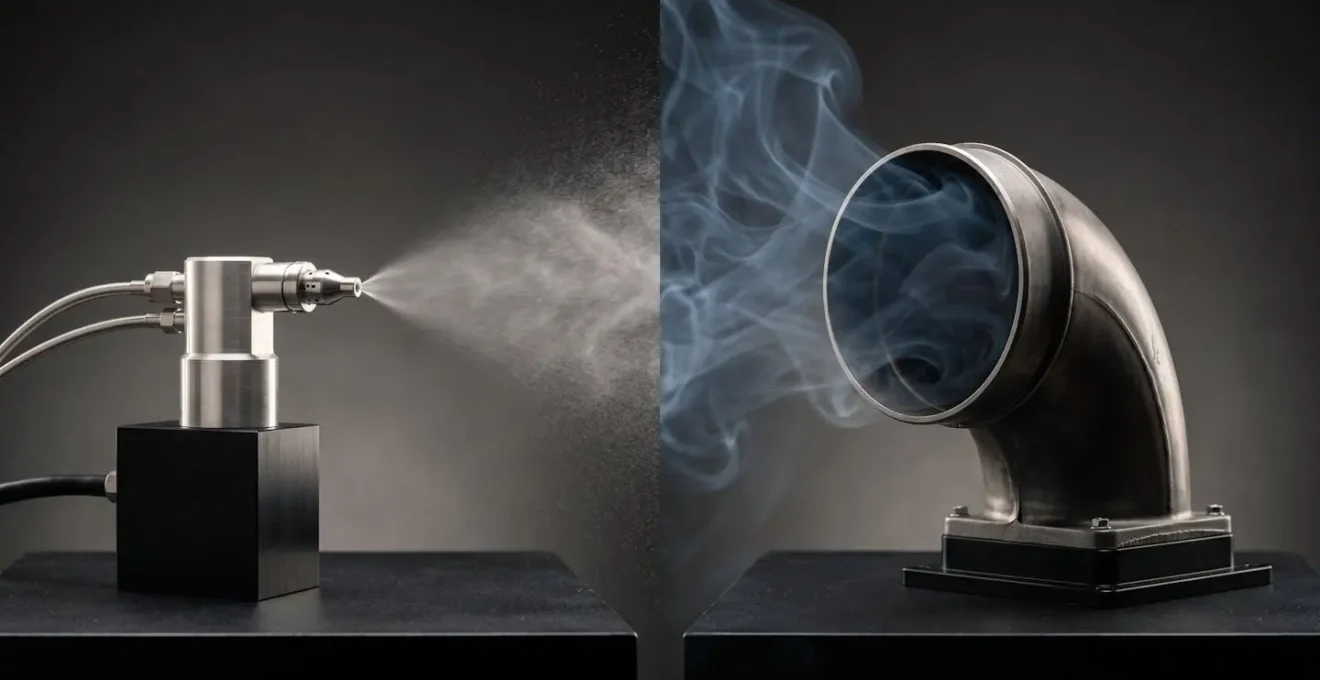
As a rule of thumb, for passenger cars, industry experts recommend an inflator with at least 2 CFM for efficient operation, and 4+ CFM for larger SUVs and trucks. Most cheap inflators deliver less than 1 CFM, which is why they take an eternity. A real-world comparison is stark: an inflator with 0.8 CFM might take over 2.5 minutes to add 15 PSI to a standard car tyre. In contrast, a high-performance unit with 3 CFM can inflate a much larger 35-inch off-road tyre by 20 PSI in under 2 minutes. The difference isn’t marginal; it’s the difference between a minor inconvenience and a significant roadside delay.
12V Cigarette Lighter or Rechargeable Battery: Which Inflator Works When Your Car Won’t Start?
The choice between a 12V inflator, powered by your car’s cigarette lighter socket, and a cordless, rechargeable battery model seems like a simple trade-off between power and convenience. However, the reality of emergency situations makes this choice more critical. A 12V inflator generally offers superior, consistent power and higher CFM, as it’s not constrained by battery weight or capacity. Its fatal flaw? It’s useless if the reason you have a flat tyre is paired with a dead car battery.
The rechargeable battery model seems to solve this problem, offering ultimate portability. But it introduces its own set of significant compromises. These units are often less powerful to conserve battery life, resulting in lower CFM and slower inflation. More importantly, their lithium-ion batteries are highly susceptible to the extreme temperatures found in a car boot. Sustained exposure to heat, especially in a car interior that can reach 60°C on a summer day, can be devastating. In fact, research on portable inflator battery degradation reveals that sustained heat exposure can cause a permanent capacity drop of 20-40%. Storing a fully charged or fully depleted battery in these conditions is a recipe for finding your emergency tool dead when you need it most.
So, what is the solution? The modern answer lies in a hybrid approach. The most robust roadside recovery setup combines a powerful 12V corded inflator with a portable jump starter pack. These modern jump starters are no longer just for boosting a dead battery; they are versatile power hubs with 12V DC output sockets. This setup provides the best of both worlds: you get the uncompromised power and CFM of a corded inflator, but it’s powered by the jump starter, not the car. This means it works perfectly even if the car’s battery is completely flat, and you avoid the reliability issues and performance degradation of integrated battery inflators.
The Inflation Technique That Damages 1 in 20 Valve Stems During Roadside Top-Ups
When a cheap tyre inflator fails, we often blame the motor or the power connection. However, a more insidious form of damage is often inflicted on the tyre valve stem itself. The culprit is vibrational fatigue. Cheaper, poorly balanced inflators vibrate excessively during operation, causing the unit to « walk » across the pavement. This vibration is transmitted directly through the air hose to the brass chuck and, ultimately, to the delicate rubber or metal valve stem.
Over time, or even during a single prolonged inflation, this constant, high-frequency vibration can weaken the valve stem, causing micro-tears at its base or damaging the internal valve core. The problem is particularly acute in modern cars equipped with Tyre Pressure Monitoring Systems (TPMS), where the sensor is integrated into the valve stem. These TPMS stems can be more rigid and brittle than traditional rubber stems, making them more susceptible to snapping under vibrational stress—a costly repair that far exceeds the price of a better inflator.
The most common failure point is the connection itself. Many budget models use flimsy plastic screw-on chucks that don’t create a stable connection and transfer maximum vibration. To prevent this damage, a simple hands-on technique is essential, especially when using a budget inflator. By holding the chuck lightly with one hand during inflation, you act as a human shock absorber, isolating the valve stem from the worst of the hose’s vibrations. It is also wise to look for models with braided metal hoses and brass quick-release chucks, which offer a more secure and stable connection than plastic alternatives.
- Identify Vibration Risk: Be aware that cheaper, poorly balanced inflator models vibrate excessively and are the primary cause of this issue.
- Use Hand Stabilisation: Gently hold the chuck with one hand during inflation. This creates a ‘shock absorber’ between the vibrating hose and the valve stem, preventing the transfer of damaging forces.
- Critical for TPMS Vehicles: This technique is especially important for cars with TPMS sensors, as the stems are often more rigid, brittle, and expensive to replace if damaged.
- Monitor Connection Points: Always favour models with braided hoses and brass connectors over plastic ones, as these provide a more secure and durable link, minimising vibration transfer.
Why Your Inflator Reaches Pressure but the Tyre Goes Flat Again in 2 Hours?
One of the most maddening scenarios is successfully inflating a tyre to the correct pressure, only to find it nearly flat again a few hours later. This isn’t necessarily a fault of the inflator but a combination of physics and a potential underlying leak. The first culprit is the « thermal pressure delta ». Tyres heat up significantly during driving due to friction. This heat causes the air inside to expand, increasing its pressure. It’s a common observation that a tyre that just came off the road will typically show 10 to 20 PSI higher than its true « cold » pressure.
If you inflate a warm tyre to, say, 35 PSI, you are setting the pressure of hot, expanded air. As the tyre sits and cools down to the ambient temperature, the air inside contracts, and the pressure will naturally drop by several PSI. You may have thought you fixed the problem, but you only compensated for a temporary, heat-induced pressure reading. This is why all vehicle manufacturers recommend checking and adjusting pressure on cold tyres.
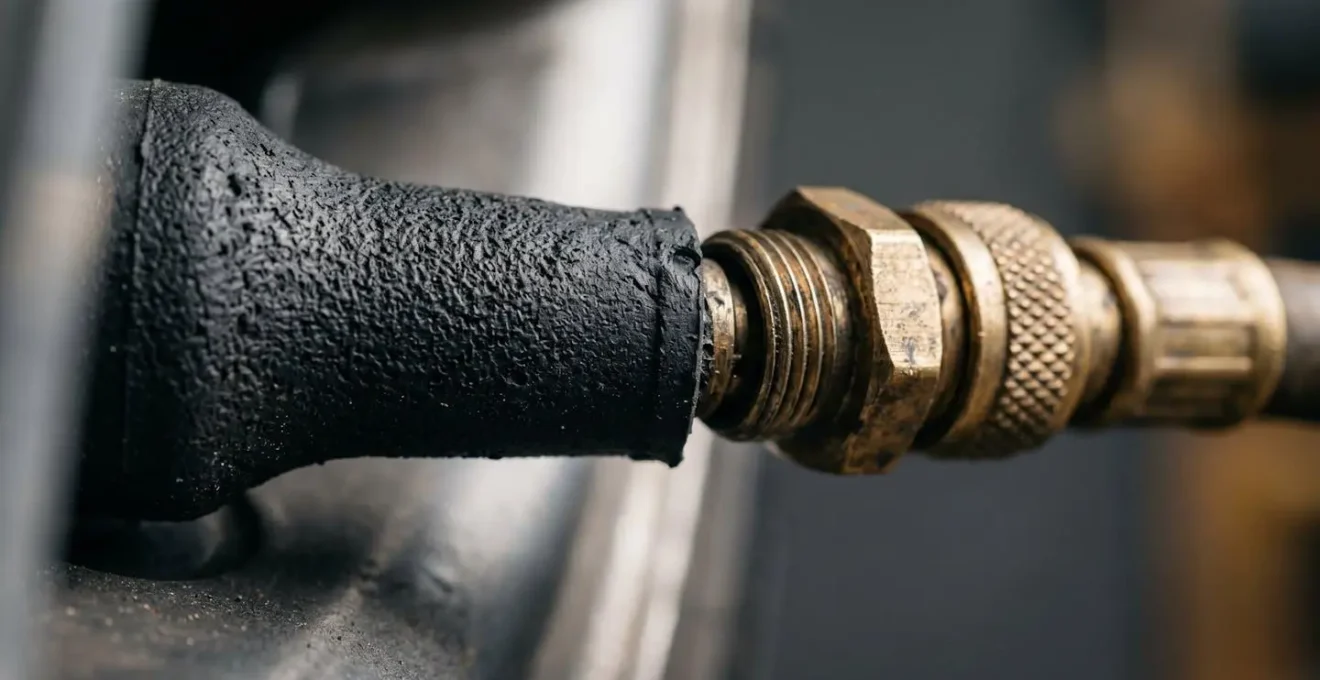
If the pressure loss is more significant, you likely have a slow leak. Before you assume the worst, you need to perform a simple diagnostic. You don’t need special tools, just a way to see where air is escaping. This is where a simple soap and water solution becomes your best diagnostic tool on the roadside. Finding the leak is the first step to knowing whether you need a simple valve core tightening or a full tyre plug.
Action Plan: 5-Minute Soap Bubble Diagnostic for Leak Detection
- Prepare Soapy Water Solution: Mix a few drops of dishwashing soap with water in a spray bottle or cup. This is an essential item for any roadside recovery kit.
- Test the Valve Stem First: Remove the dust cap and spray or pour the soapy mixture directly onto the tyre valve. If a stream of bubbles appears, the valve core is leaking and likely just needs to be tightened or replaced.
- Check Tread and Sidewalls: If the valve is clear, pour the soapy water over the entire circumference of the tyre’s tread and then the sidewalls. Look closely for any spots where bubbles form, indicating a puncture.
- Identify Leak Type: Bubbles at the valve core point to a fixable valve issue (a 4-in-1 valve tool is invaluable here). Bubbles in the tread suggest a puncture that can be fixed with a plug kit. Bubbles at the bead (where the tyre meets the wheel rim) indicate a sealing problem that requires professional attention.
When to Test Your Boot Inflator: The Monthly Check That Ensures It Works in Emergencies?
A tyre inflator is the definition of a tool you hope to never use, but when you need it, it must work flawlessly. Simply having one in your boot is not enough; like a fire extinguisher or a first-aid kit, it requires periodic checks and basic maintenance to ensure its readiness. Tossing it in the boot and forgetting about it for two years is the surest way to guarantee it will fail you. A simple, three-minute monthly check is all it takes to build confidence in your emergency equipment.
This check isn’t just about turning it on. It involves inspecting the key failure points and performing preventative maintenance. For battery-powered units, this means checking the charge level. Leaving a lithium-ion battery at 0% or 100% for extended periods, especially in a hot car, is the fastest way to degrade it. The ideal storage state is between 50-60% charge. For all inflators, the air hose and chuck connection are critical. The small O-ring inside the brass chuck is what creates the airtight seal; if it dries out and cracks, the inflator will leak air as fast as it pumps it in.
Finally, dust and debris are the silent killers of electric motors. If you’ve used your inflator in a dusty environment, its intake vents can become clogged, starving the motor of cooling air and causing it to overheat and wear out prematurely. A quick blast of compressed air (or even just blowing through the vents) can significantly extend its life. This routine check ensures every component is ready for action.
- Seal Care: Apply a tiny amount of silicone-based lubricant to the O-ring inside the brass chuck every few months. This keeps it supple and prevents air leaks at the connection point.
- Battery Storage Check: For cordless models, verify the unit is stored at approximately 50-60% charge. Never leave it fully charged or completely dead in a hot or cold vehicle.
- Dust Prevention: After use, especially in dusty conditions, use compressed air or simply blow through the intake vents to clear any debris that could cause motor wear.
- Cooling Cycles: During your test run, limit continuous operation to 10 minutes to avoid internal heat degradation. This also simulates a realistic roadside usage pattern.
- Gauge Accuracy Verification: When testing, always briefly « bleed » the hose by detaching and reattaching it to get an accurate reading, avoiding « trapped pressure » errors from the initial connection.
When to Check Tyre Pressure: The Sunday Morning Habit That Saves £300 Yearly?
The single most important factor for accurate tyre pressure measurement is temperature. Vehicle manufacturers specify a « cold inflation pressure » for a reason. This refers to the pressure in a tyre when it is at the ambient air temperature, before it has been driven and heated up by friction. This is the baseline, the true state of your tyre’s inflation. Checking pressure after a long drive gives you a false, artificially high reading.
The impact of temperature is governed by simple physics. As air cools, it contracts, and its pressure drops. Conversely, as it heats, it expands, and pressure rises. The effect is not negligible; automotive research demonstrates that tyre inflation pressure drops by 1 to 2 PSI for every 10 degrees Fahrenheit (about 5.5°C) the temperature lowers. This is why a tyre that was perfectly inflated on a mild autumn afternoon can trigger a pressure warning light on the first frosty morning of winter. You haven’t developed a leak; the air inside has simply contracted in the cold.
To get a consistent and accurate reading, you must establish a routine. The ideal time to check your tyre pressures is first thing in the morning, before the car has been driven and before the sun has had a chance to heat the tyres. Making this a quick, two-minute habit every other Sunday morning ensures your readings are consistent and reflect the true cold inflation pressure. This simple habit not only maximises your safety and fuel economy but also gives you a reliable baseline, making it much easier to spot a genuine slow leak versus a normal temperature-related fluctuation.
Cold inflation pressure should therefore be measured in the morning, as this is usually the coldest time of day. This will ensure a tire meets or exceeds the required inflation pressure throughout the day.
– Industry Standards Documentation, Wikipedia – Cold Inflation Pressure Standards
How to Build a £300 Recovery Kit That Prevents £500 Call-Out Fees?
A capable inflator is the heart of a roadside recovery kit, but it is not the entire solution. Relying solely on an inflator means you can only address pressure loss, not its cause. A truly effective kit empowers you to diagnose and fix the most common tyre problems yourself, turning a potentially day-ruining event that could cost a £500 call-out fee into a 20-minute fix. Building this comprehensive kit doesn’t have to be expensive; for under £300, you can assemble a « Tire Recovery Trinity » that handles over 90% of common tyre failures.
The first element, as we’ve established, is a capable inflator. This means one with a minimum of 2 CFM, a reliable power source, a digital gauge for accuracy, and an auto-shutoff feature to prevent over-inflation. This is your tool for restoring pressure once a repair is made.
The second, and equally crucial, element is a high-quality tyre plug kit. Most punctures are caused by small objects like nails or screws in the main tread of the tyre. A plug kit, which includes a reamer tool to clean the hole and an insertion tool to push in a sticky rubber plug, allows you to create a durable, airtight seal in minutes. It’s a permanent repair that will see out the life of the tyre, and the skill is easily learned.
The third element of the trinity is a 4-in-1 valve core tool with spare cores. A surprising number of slow leaks aren’t from punctures but from a loose or faulty valve core—the tiny, spring-loaded pin inside the valve stem. This inexpensive tool allows you to tighten a loose core or quickly replace a faulty one, solving a common problem that would otherwise leave you stranded. Combined, these three tools form a complete ecosystem for tyre recovery.
- Capable Inflator: Select a portable inflator with a minimum 2 CFM flow rate, digital gauge, and auto-shutoff.
- High-Quality Tyre Plug Kit: Include a complete repair kit with reamer tool, insertion tool, and rubber plugs to seal punctures.
- Valve Core Tool with Spare Cores: A 4-in-1 tool addresses the most common leak source by allowing you to remove, install, and clean valve cores and threads.
- Verification Supplies: Add a reliable separate digital pressure gauge for calibration checks and a spray bottle for soapy water leak detection.
Key takeaways
- A high PSI rating on an inflator is misleading; airflow volume (CFM) is the true measure of its speed and performance. Aim for at least 2 CFM.
- Battery-powered inflators suffer significant performance loss in the heat of a car boot; a powerful 12V model paired with a jump starter is a more reliable solution.
- Under-inflation dramatically increases rolling resistance, costing hundreds in wasted fuel and causing premature, uneven tyre wear that shortens the life of your tyres by up to 30%.
Why Does 5 PSI Under-Inflation Cost You £200 in Extra Fuel Annually?
Running your tyres just 5 PSI below the manufacturer’s recommended pressure might not seem like a major issue, but it has a significant and direct impact on your wallet. The primary cost comes from a loss in fuel economy. An under-inflated tyre has a larger contact patch with the road and flexes more as it rotates. This increased deformation creates what is known as higher rolling resistance. Essentially, your engine has to work harder—and burn more fuel—just to move the car forward against this extra drag.
While the exact amount varies, multiple analyses of professional automotive tests show that even a slight under-inflation of 5 PSI can reduce fuel economy by around 1.5%. For an average UK driver covering 10,000 miles a year in a car that achieves 40 MPG, this seemingly small percentage translates to roughly £150-200 in extra fuel costs annually. That’s money being burned simply because of a lack of air.
However, fuel is only part of the story. The hidden costs of under-inflation are arguably even more severe. The increased flexing and heat buildup from under-inflation cause accelerated and uneven wear, particularly on the outer edges (shoulders) of the tyre. This can reduce a tyre’s lifespan by 25-30%, forcing you to replace expensive rubber far sooner than necessary. Furthermore, the added strain isn’t confined to the tyres; it’s transmitted to your car’s steering and suspension components, leading to premature wear on bushings, bearings, and shocks. The table below outlines the true, multi-faceted cost of neglecting your tyre pressure.
| Cost Category | Impact of 5 PSI Under-Inflation | Annual Cost Estimate |
|---|---|---|
| Fuel Economy Loss | ~1.5% increase in fuel consumption due to higher rolling resistance | £150-200 |
| Premature Tire Wear | Severely accelerated and uneven tread wear reducing tire lifespan by 25-30% | £100-150 |
| Suspension Component Strain | Increased stress on steering and suspension systems requiring earlier maintenance | £50-100 |
| Blowout Risk | Significantly higher risk of catastrophic tire failure with potential accident costs | Variable (£500+) |
Ultimately, maintaining correct tyre pressure is not a chore; it is one of the most effective financial decisions a driver can make. By investing in a quality inflator, building a complete recovery kit, and adopting a simple monthly checking habit, you are not just preparing for an emergency—you are actively saving hundreds of pounds a year. Take five minutes this weekend to assess your boot kit against the principles in this guide.