Technology & Innovation
The automotive and transport sectors are experiencing an unprecedented technological revolution. Currently, the vehicles we drive and the logistical networks that supply our goods are powered by complex software, advanced sensors, and intelligent algorithms. Understanding this shifting landscape is crucial for both everyday drivers and commercial operators looking to optimise their journeys and operations.
This comprehensive overview explores the core pillars of modern transport technology. From managing the intricate chemistry of electric vehicle batteries to deciphering the alerts on a digital dashboard, navigating these advancements requires clarity and insight. We will examine how intelligent systems are reshaping road safety, navigation, and global fleet logistics, providing you with the knowledge needed to leverage these innovations effectively.
The Evolution of In-Car Technology and Driver Interfaces
Modern vehicle cabins have transformed into digital command centres. The transition from physical buttons to expansive touchscreens offers unprecedented control over media, navigation, and vehicle settings, but it also introduces new challenges regarding driver focus and software reliability.
Touchscreens, Digital Clusters, and Seamless Connectivity
While digital dashboards can display a wealth of information, they require careful configuration to avoid overwhelming the driver. Unlike analogue gauges that degrade gracefully over time, digital clusters rely entirely on continuous software stability. Over-the-air updates frequently introduce new features, but occasional software glitches can temporarily disable critical displays or cause distracting screen flickers.
To maintain an optimal in-car tech experience and reduce cognitive load, consider these core principles:
- Screen configuration: Customise your digital cluster to show only essential driving metrics, reducing visual clutter during complex manoeuvres.
- Night driving: Utilise dark themes or reduced brightness modes to minimise eye strain when travelling on unlit roads.
- Smartphone integration: Ensure your mobile operating system is fully updated to prevent frustrating Bluetooth dropouts when connecting to systems like Apple CarPlay or Android Auto.
Maximising Electric Vehicle Battery Life and Charging Efficiency
Transitioning to electric mobility requires a fundamental shift in how we view refuelling. An electric vehicle (EV) battery is a complex chemical environment where temperature, charging habits, and power delivery rates dictate long-term health and daily performance.
Understanding Battery Degradation and Charging Curves
Many drivers wonder why some EV batteries retain excellent capacity after extensive mileage while others degrade significantly faster. The answer often lies in daily charging routines. Consistently charging a battery to maximum capacity can accelerate chemical wear. Furthermore, rapid chargers operate on a charging curve, which explains why charging speeds drop dramatically once the battery reaches around sixty percent. This software-driven limitation protects the internal cells from severe overheating.
For optimal battery preservation, follow these sequential steps:
- Set your daily charging limit to around eighty percent for routine commuting, reserving maximum charges solely for long-distance travel.
- Utilise your smartphone application to pre-condition the battery during cold weather before departing, ensuring the cells are at an optimal temperature to accept power and maximise range.
- Monitor your battery health percentage periodically through manufacturer-approved diagnostic tools rather than relying solely on dashboard range estimates.
Navigating the Complexities of Advanced Driver Assistance Systems (ADAS)
Advanced Driver Assistance Systems (ADAS) are designed to enhance safety and reduce driver fatigue. However, understanding the operational boundaries of radar, cameras, and ultrasonic sensors is vital to prevent over-reliance on these technologies.
Adaptive Cruise Control and Lane Keeping Limitations
Systems like Adaptive Cruise Control (ACC) and lane keeping assist perform exceptionally well on well-marked motorways. Yet, they can struggle on rural country lanes with faded markings or when encountering complex scenarios like roundabouts and filtering motorcycles. ACC relies heavily on radar, which can occasionally misinterpret stationary roadside objects or varying vehicle sizes, leading to sudden, unexpected braking.
The Reality of Blind Spot Detection
Similarly, Blind Spot Detection (BSD) is invaluable on multi-lane roads but is not infallible. Sensor blindness can occur during heavy rain, snow, or when road grime obscures the rear bumper sensors. Drivers must remain vigilant, as BSD systems might perfectly track a large lorry two lanes over while momentarily missing a smaller vehicle immediately adjacent. Premium vehicles often use advanced sensor fusion to mitigate this, but fundamental physical limitations of radar in adverse weather remain.
Smart Navigation and Real-Time Traffic Prediction
Gone are the days when a static map could accurately predict an arrival time. Modern navigation relies on dynamic data pooling, integrating live traffic conditions, historical algorithms, and user-generated reports to calculate the most efficient route.
Built-In Systems vs. Smartphone Applications
The debate between factory-installed satellite navigation and smartphone applications often comes down to data volume versus vehicle integration. Smartphone applications benefit from millions of anonymised journeys, allowing them to predict congestion build-ups on major orbital routes rapidly. However, built-in systems often integrate better with the vehicle telemetry, preserving battery life and maintaining GPS signals in long tunnels.
Key factors influencing routing decisions include:
- Historical traffic patterns: Algorithms anticipate regular congestion zones based on the specific time of day and day of the week.
- Live incident reporting: Crowdsourced data enables immediate rerouting away from sudden accidents or unexpected road closures.
- Weather adaptations: Advanced systems are beginning to factor in severe weather warnings, dynamically preventing routes through notoriously flood-prone areas.
Transforming Commercial Transport: Fleet Telematics and Logistics
For commercial operators, the integration of smart mobility platforms represents a significant leap in operational efficiency. Managing a fleet of vehicles or an expansive warehouse now depends heavily on the uninterrupted flow of real-time data.
From Basic Tracking to Advanced Fleet Telemetry
Basic GPS tracking simply places a dot on a map. In contrast, modern fleet telemetry measures numerous data points, including harsh braking, idling times, and fuel consumption. This granular data allows fleet managers to spot inefficient driving habits that waste fuel and identify specific routes that generate no revenue. Upgrading from simple trackers to integrated enterprise platforms is crucial for businesses aiming to optimise their delivery networks and generate substantial annual savings. However, companies must carefully navigate privacy laws when tracking employee movements, ensuring a clear boundary between operational necessity and personal surveillance.
Warehouse Automation and Supply Chain Visibility
The technological push extends far beyond the vehicles themselves, deeply impacting warehouse operations. The choice between goods-to-person robots and traditional conveyor systems depends entirely on facility size and throughput requirements. Implementing automated storage systems can drastically improve pick accuracy and speed.
To ensure successful technology implementation in logistics, managers should:
- Conduct comprehensive compatibility audits to prevent API integration errors between new tracking software and legacy warehouse management systems.
- Establish intelligent alert filtering, ensuring that management only receives critical notifications—such as temperature deviations in perishable shipments—rather than being overwhelmed by routine data points.
- Invest heavily in staff training to bridge the gap between advanced automation capabilities and daily human operation, maximising the return on investment.
The intersection of automotive engineering and digital innovation is continuously redefining how we move people and products. Whether it is a commuter learning to optimise their electric vehicle charging habits, or a logistics director implementing a comprehensive smart mobility platform, adapting to these technologies is no longer optional. By understanding both the immense capabilities and the current limitations of these systems, users can fully harness the power of modern transport technology to ensure safer, cleaner, and vastly more efficient journeys.
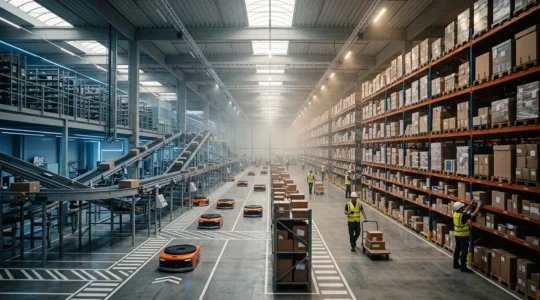
Why Does Amazon Ship Same-Day When Your Warehouse Takes 3 Days to Pick the Same Order?
Closing the ‘Amazon Gap’ is achieved not by replicating their budget, but by surgically applying automation to your single biggest operational bottleneck. Return on investment is fastest when automation directly…
Lire la suite
Why Does Your Blind Spot Warning Light Up When No Vehicle Seems to Be There?
Your car’s blind spot detection system isn’t faulty; it’s interpreting the unique geometry of UK roads based on a fixed set of rules designed for wide, straight highways. False alerts…
Lire la suite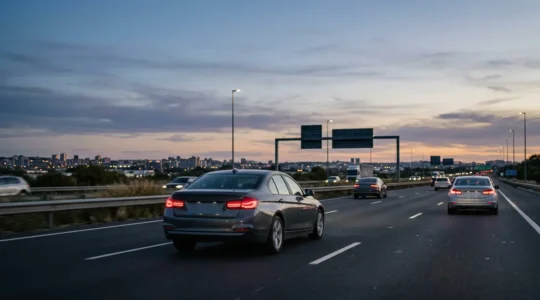
Why Does Your ACC Brake Suddenly? An Expert’s Guide to Phantom Braking
That sudden, heart-stopping ‘phantom braking’ isn’t a random glitch; it’s your car’s radar misinterpreting a complex world according to its strict, safety-first rules. Your car’s radar struggles with objects that…
Lire la suite
From Traffic Jams to Task Lists: Why the Car Is the UK’s Newest Productivity Hub
In summary: True mobile productivity isn’t about replicating an office, but mastering your vehicle’s unique ecosystem of power, connectivity, and ergonomics. Avoid catastrophic flat batteries by understanding that charging a…
Lire la suite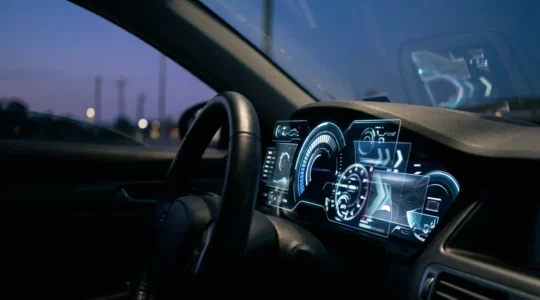
Why Do Digital Dashboards Show More Information but Leave Drivers Feeling Less Informed?
Contrary to the belief that digital dashboards are a clear upgrade, they often create a state of ‘informed ignorance’ by prioritising data quantity over cognitive legibility. Physical buttons leverage proprioception…
Lire la suite
Why Does Your Sat Nav’s Predicted Arrival Time Become Inaccurate After 20 Miles?
Contrary to common belief, your sat nav’s ETA isn’t ‘wrong’ due to simple traffic; it’s a logical prediction from a flawed data model. This analysis deconstructs the algorithm’s blind spots—its…
Lire la suite
Why Does Fleet Telemetry Reveal That 20% of Your Mileage Generates No Revenue?
The goal of modern fleet telematics is not to drown you in data, but to filter the operational ‘noise’ and isolate the few critical ‘signals’ that directly impact your bottom…
Lire la suite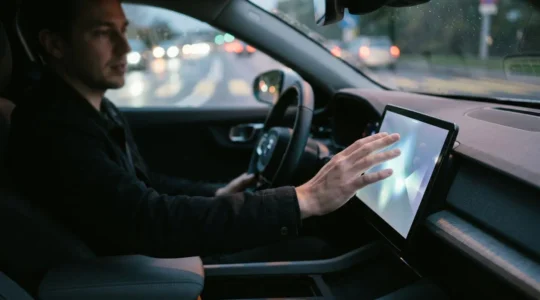
Why Does Your Car’s Touchscreen Distract You More Than Your Old Button Controls Did?
The core problem with modern car touchscreens isn’t the technology itself, but its failure to respect basic principles of human cognition, dangerously increasing your mental workload while driving. Physical buttons…
Lire la suite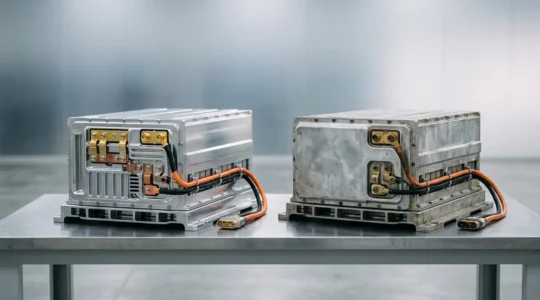
Why Do Some EV Batteries Retain 90% Capacity After 100,000 Miles While Others Degrade to 70%?
The vast difference in EV battery lifespan isn’t luck, but a direct result of understanding and managing specific electrochemical stresses. Battery chemistry (LFP vs. NMC) and the quality of the…
Lire la suite
How UK Fleet Managers Save £12,000 Per Year with Smart Mobility Platforms
The true ROI of a smart mobility platform is not in tracking vehicles, but in converting operational data into quantifiable financial decisions that eliminate hidden cost centres. Basic GPS tracking…
Lire la suite